
Collecting, Handling, and Storing Breast Milk

Proper collection, handling, and storage are essential when sharing breast milk. Whether you are selling or purchasing, taking the right steps helps protect quality and ensure milk arrives safely frozen and ready for use.

This page provides general guidelines to help members maintain high standards throughout the process. We encourage all buyers and sellers to communicate openly about their individual practices and consult healthcare professionals when needed.
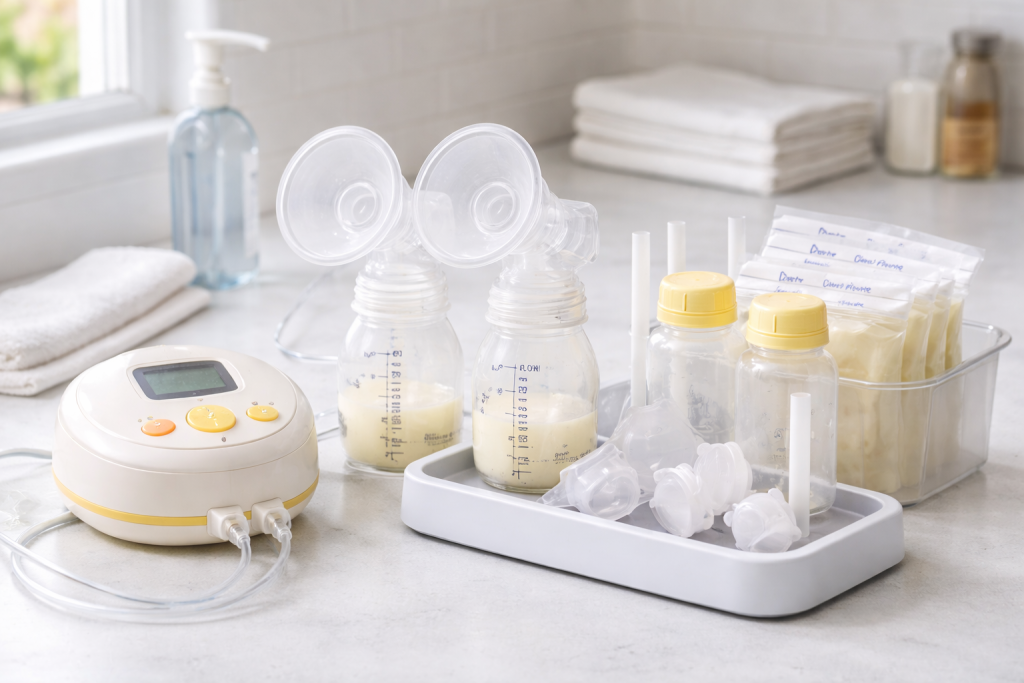
Collection Best Practices

Cleanliness begins before pumping.

  • Wash hands thoroughly with soap and water
  • Use properly sterilized pump parts and storage containers
  • Follow manufacturer guidelines for pump cleaning
  • Store milk promptly after expression

Many experienced donors follow hospital-level cleanliness standards, especially those who have previously donated through milk banks. While our platform does not verify collection procedures, we strongly encourage transparency about hygiene routines.

Safe Storage Guidelines

Breast milk should be handled carefully from the moment it is expressed.

  • Store milk in approved breast milk storage bags or sterile containers
  • Label each bag with the date and amount
  • Freeze milk flat for easier stacking and quicker freezing
  • Avoid overfilling storage bags

Freezing milk flat not only saves space but also helps with consistent cooling during transport. Organized labeling also allows buyers to understand the age of the milk and manage rotation properly.

Temperature and Freshness

Maintaining the correct temperature is critical.

  • Freeze milk as soon as possible if it will not be used immediately
  • Keep frozen milk stored consistently at freezer temperature
  • Avoid repeated thawing and refreezing

When shipping, milk should be packed with sufficient insulation and frozen gel packs to maintain temperature during transit. Clear communication between buyer and seller about shipping timelines is important to prevent delays.

Shipping Preparation

Shipping breast milk requires planning. Sellers should:

  • Confirm shipping timelines with the buyer
  • Ensure milk is fully frozen before packing
  • Use insulated containers designed for cold transport
  • Provide tracking information immediately after shipment

Buyers should:

  • Confirm delivery timing
  • Be available to receive the package
  • Transfer milk to a freezer immediately upon arrival

Communication Is Key

Because each transaction is handled privately between members, clear communication is essential. Buyers are encouraged to ask questions about:

  • Collection routines
  • Diet and lifestyle
  • Storage methods
  • Shipping materials

Sellers are encouraged to share their procedures openly so buyers can make informed decisions.

A Shared Responsibility

Our platform connects families, but the responsibility for proper handling remains with each member. Taking care at every step helps preserve quality and protect the babies who depend on it.

When in doubt, consult your pediatrician or healthcare provider for guidance on breast milk storage and usage.

Together, careful handling and open communication create a safer and more supportive experience for everyone involved.